Apps for Obstetrics!

Apps can be very helpful. I’m always asking my patients which apps they like for pregnancy. These are some that have been recommended to me:

1. My Days – Period and Ovulation

My DaysThis free, accurate app has is very helpful for determining the best days of fertility and improving your chances of becoming pregnant more quickly! It tracks periods and uses this information to predict fertility in the upcoming month.


Or… it can be used as a birth control method by knowing which are the most important fertile days and avoiding intercourse at that time.

2. What to Expect Pregnancy

What to Expect app

This very popular app includes a due date calculator, week-by-week details on your baby’s development, weekly baby illustrations, updates on your changing body, and countdown to your due date. You get daily tidbits of advice and it also includes helpful information for dads.

3. Simple Contraction Timer by iBirth

Contraction timerThe value of a contraction timer is in its simplicity and ease of use. This app makes timing of contractions during labor easy. It has a simple interface, tracks the duration of each contraction, tracks the intervals between contractions, and has a history report for tracking labor progress over time.

4. Baby Names!!

Baby names!!For people who would like some help in choosing a name, this app will show you the name’s meaning, pronunciation, gender and origin. It also includes graphs of a name’s popularity over time. For example, the most popular girls names now are Sophia, Isabella, Emma, Olivia, Ava and Emily! It links to Wikipedia and gives you oodles of information.

5. (iThankyou)

iThankyouThis app uses your phone’s camera to help you keep track of gifts received and who sent them. This mix of new and old approaches to writing thank you notes is integrated with your address book and allows you to easily write and address a hand-written thank you note or send a thank you email.

Posted in Obstetrics, Our Office | Tagged , , , , , , , | Leave a comment

ObGyn Apps for Fitness

We all know how important fitness is. Whether you’re male or female, young or old, it’s vital to your health. In this post we’re going to look at some favorite apps for fitness. I hope you enjoy them.

1. Nike Training Club.

Nike Training Club

This free app has hundreds of different workouts for women, all in a well-designed format. It’s easy to pick one, do it, and then keep track of  where you are in your fitness program.

2. Couch To 5K.

Couch to 5K

This app won the 2012 Appy Award in the Healthcare and Fitness category. It pledges to help even the most unprepared person to get in shape to run in a 5K race in just nine weeks. It’s fun, with different cartoon trainers, “ridiculously easy to use,” and requires just 20-30 minutes 3 times a week to get you to the finish line.

3. Pocket Yoga

Pocket Yoga

This yoga guide is one of the best apps of 2012 according to CNN and Mac Life magazine. There is an extensive dictionary of yoga poses and terms with exceptional yoga instructions that lead to three different variations of yoga, three difficulty levels and three durations, all for $2.99.

4. RunKeeper

Runkeeper

For people who like to get outdoors to workout, this free app can track your exercise outside using your phone’s GPS system, whether it’s by run, bike or hike. It alerts you to your stats and progress as you workout. You can save routes, compare your current with previous performances and sync your health data with other fitness apps. It’s a well-integrated and well-designed system.

5. Cardiio

Cardiio

This app uses innovative technology from MIT‘s Media Center to interpret your heart rate simply from the way that light is absorbed or reflected from your face each time your heart beats. It uses sophisticated software to track these tiny changes not visible to the human eye and calculates your heart rate which correlates with your fitness and potential life expectancy.

Posted in Our Office | Tagged , , , , , | 1 Comment

Understanding Hormone Therapy

hormone imageAs women transition into menopause there is a gradual but steady decrease in ovarian hormones. This can cause a wide range of symptoms that can negatively affect daily activities and hurt the quality of life. Many women who are near menopause would have few dangers from receiving hormone replacement therapy (HRT), and for many the benefits outweigh the risks of taking them. Yet there are questions about the safety of taking hormones. Who should take them and who not?

There have been significant developments since the Women’s Health Initiative (WHI) report came out in 2002 and changed our beliefs in the value of hormone replacement therapy. The WHI was focused on heart disease, and some 70% of the women in the study were older than age 60. Women who were having menopausal symptoms were not allowed to be in the study, which may have biased the results. The results were mainly negative, and showed that HRT did not give a benefit in reducing heart disease. This caused skepticism about whether hormone therapy could ever be used safely. Now, years later, we can say that there was a mistake in interpretation by trying to extrapolate and apply the results to all women. Further information that has come out since the WHI report was published has shown that women in their 50’s who start HRT near the time of menopause have fewer cardiovascular problems and fewer deaths in general, compared with those who start HRT years later. This can be thought of as a window during which time therapy, if started, is safer. Even better, it has recently been confirmed that women who took only estrogen had a lower risk of getting heart disease, a lower chance of getting breast cancer, and a lower risk of colon cancer.

Here’s what recent research says about which women should be taking hormone replacement therapy:

Hot Flashes and related symptoms. About 70% of women who are going through menopause suffer from hot flashes, night sweats, dryness, difficulty in sleeping and other problems. In 20% of women the problems are serious enough to disrupt productivity and harm the quality of life. Estrogen is the best treatment for these symptoms. Studies have shown it can increase the production of neurotransmitters that improve mood, memory, attention, sleep and response to pain. If women can’t or don’t want to take hormones there are alternatives. There can also be relief from lifestyle changes such as avoiding too much caffeine or alcohol; increasing the amount of time spent exercising is very helpful.  Other medications to prevent bone loss are available, and for vaginal dryness a lubricant can be beneficial. But for women who are taking multiple medicines, it doesn’t make sense to take an antidepressant, a sleep aid and an anti-anxiety pill to do what estrogen alone can do better at less cost and with fewer side effects.

Breast Cancer. This is the biggest fear and the greatest reason that women avoid hormone therapy. The numbers tell a different story. The increase in risk is actually very small. In the group of women who take an estrogen with a progestin, the risk of breast cancer death is 2.6 per 10,000 women per year, compared with 1.6 women per 10,000 per year in the group taking no medication. Women in the group taking only estrogen had a 63% lower risk than the group on no medication, leading to consideration that the main risk is not estrogen, but may be the progestin ingredient of HRT, medroxyprogesterone. In hormone replacement therapy, the need for a progestin is based on whether or not the uterus is present, as taking progesterone protects against uterine cancer. One conclusion here is that if a woman has had a hysterectomy and thereby does not need progesterone as part of treatment, taking estrogen significantly reduces her risk of breast cancer.

Heart Disease. Observational studies have long shown that women who used estrogen had a lower risk of heart disease, but most were younger than 55 when they started taking the medication. Studies show that estrogen staves off hardening of the arteries but cannot undo the damage once it has occurred. The timing for starting HRT is crucial here. Starting it closer to the menopause increases the cardiovascular benefit.

Stroke. The WHI study showed that both estrogen alone and estrogen with progestin raised the risk of stroke and blood clots. The risks appear to be the same regardless of when the medication is started. Most experts advise avoiding HRT if you are at increased risk of having a stroke or blood clots. If you take it, a lower dose is safer.

Osteoporosis. Considering that 50% of women over 65 eventually develop osteoporosis, some say that this benefit of HRT in preventing osteoporosis has been improperly ignored. Having a fractured hip, getting fractures, or losing height are detrimental and dangerous. There are other medications for preventing osteoporosis, but they all have side effects of their own.

Diabetes. Taking hormones appears to reduce the risk of Type 2 diabetes, by 21% in the estrogen progestin group and by 12% in the estrogen alone group. More research is needed to evaluate this potential new benefit of HRT.

Whether HRT can be safely used is an important question. However, there is no simple correct answer. Many factors determine the correct choice for each person. When considering this question, there are 3 factors that profoundly affect the risk benefit profile for each person: age at initiation of therapy, hormone dose, and route of administration.

Age at HRT Initiation. The beneficial action of estrogen is its ability to prevent harmful deterioration over years that can irreversibly result in bone loss, vaginal and bladder atrophy and reduced skin elasticity. The timing of initiation of HRT is critical. Studies show there is a therapeutic window for starting therapy. If therapy is started before age 60 there is definitely a greater benefit in preserving the normal functioning of many types of tissue including bone, skin, and the urogenital, cardiovascular and nervous systems.

HRT Dosage. A second important influence on the risk benefit profile of HRT is the amount that is given. Substantial evidence exists that a low dose HRT dosage is effective in preventing bone loss and in treating menopausal symptoms with less bleeding and other side effects compared with higher doses. This is especially seen in the risk of stroke, which increases as higher doses of estrogen are used.

Route of HRT Administration. The use of HRT through patches, known as transdermal hormone therapy, has been shown to have a lower risk of venous thromboembolism compared with oral administration. People who are at greater risk of stroke such as those who have cardiovascular disease, multiple cardiovascular risk factors, history of venous thromboembolism, or known increased risk of stroke through genetic causes need to be aware of the lowered risk through transdermal use. Recent studies show that the use of transdermal estrogen does not result in an increased risk of blood clots and stroke, even when used in high-risk patients.

Individualizing HRT Choices. A decision about whether to start HRT should be based on an assessment of the risks and benefits as it pertains to you. Starting HRT in early menopause or peri-menopause is associated with many benefits and low risk. Multiple studies support the protective effect of estrogen therapy on cardiovascular disease, dementia and overall mortality.

Women with an intact uterus are usually given estrogen with progesterone to help protect the uterus from overstimulation. An advantage of using a low dose estrogen is that it can be balanced with a low dose progestin to minimize bleeding and undesirable side effects. In many cases using a transdermal delivery system will minimize the effect of estrogen on the liver, which decreases the production of blood clotting proteins and lowers the risk of blood clots or a stroke. We need to consider contraindications such as a previous history of breast cancer, blood clots or undiagnosed vaginal bleeding. If you meet the proper criteria, your risk-benefit analysis can show that hormone therapy will give many advantages resulting in an improved quality of life. It’s something important to think about and discuss with your health care professional to make the right decision for you.

Posted in Gynecology | Tagged , , , , , , , | Leave a comment

My Visit to the West Wing!

It all started with an invitation I received to go to a Town Hall Meeting at the White House! I’ve been active in Health Information Technology and I was asked to attend this meeting as a local leader representing Maryland physicians. Naturally this was an invitation I could not refuse! The meeting was held at the Eisenhower Executive Office Building.

I had a great time hearing about the expanded use of electronic health records and how they present many exciting opportunities for improving our health care. Dr Farzad Mostashari, the National Coordinator for Health Information Technology, lead a spirited discussion about the potential this new technology has for the future.

Later on back in my office I happened to be bragging (just a little) about my trip to the White House and one of my patients said that she worked there and would I like to see the West Wing? She would arrange for a private tour and would be our guide. I couldn’t wait to have this once-in-a-lifetime visit!

My wife and I sent in our security information, and then had an appointment to visit the West Wing. We went through security and were at the ground floor entrance. We went inside to the lobby, then saw the Navy Mess and the entrance to the Situation Room. During this part of the tour no pictures are allowed. Soon we went upstairs and saw the Cabinet Room. Here’s an official picture of how it looks.

The interesting thing about it was that outside in the hallway there’s a large box containing 50 or so numbered small cubicles. We were told that everyone who enters the Cabinet Room has to surrender their cell phone and have it placed there- No Exceptions!

Soon we had the great thrill of seeing the Oval Office. Here’s a recent picture of it and this is just how it looked to me.

All along the periphery of the rug were famous quotations. I later found out they were selected by President Obama and are from Franklin D. Roosevelt: “The Only Thing we have to Fear is Fear Itself,” from Martin Luther King, Jr.: “The Arc of the Moral Universe is Long, But it Bends Towards Justice,” from Abraham Lincoln: “Government of the People, By the People, For the People,” from Theodore Roosevelt: “The Welfare of Each of Us is Dependent Fundamentally Upon the Welfare of All of Us,” and from John F. Kennedy: ” No Problem of Human Destiny is Beyond Human Beings.”

We were also given a nice booklet that described the West Wing in more detail and it had a welcome from the President.We then departed through the north entrance to visit the Press Briefing Room.

The room was surprisingly small. I suppose it gets quite crowded at times. There was a cameraman there who cheerfully informed us the Redskins were ahead.

 We had our pictures taken once again and then it was time to go. Wow, what a fantastic visit it was!

It was inspiring to see where the President works. There were many pictures of people he met, and I understand the pictures are changed frequently. The guards were all very courteous and helpful. It was a day I’ll never forget!

Posted in Our Office | Tagged , , , , , , | 1 Comment

Abnormal Uterine Bleeding


The American College of Obstetricians and Gynecologists recently endorsed a new classification of abnormal uterine bleeding that also describes a systematic strategy for its evaluation. This applies to causes of bleeding in women who are not pregnant. It was developed by the International Federation of Gynecology and Obstetrics (FIGO) and has been supported by ACOG so that there were will be an internationally accepted system to evaluate, study and promote treatment of this common problem.

The normal menstrual flow is generally 5 days long and occurs in a cycle that comes between 21 and 35 days apart. Excessive blood loss, or menorrhagia, is usually based on the patient’s perception of what appears to be heavy bleeding to her. The new PALM-COEIN system classifies heavy uterine bleeding, using two major categories: structural or nonstructural.

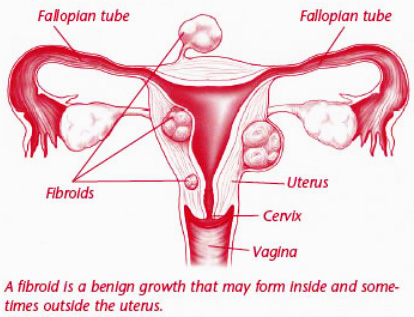
The most common structural causes include problems within the uterus such as polyps, adenomyosis, fibroids (leiomyomas), pre-cancer and cancer. Polyps are small fragile growths within the uterus or cervix that bleed more easily than normal tissue. Adenomyosis is a condition where the two layers of the uterus, the inner layer (endometrium) and the outer layer (myometrium) are intermingled. Fibroids, otherwise know as leiomyomas, are benign tumors of the uterus found in approximately 30% of women. They can cause pain, bleeding, and infertility.They are usually estrogen dependent benign tumors that slowly grow until the age of menopause. Pre-cancer is known as endometrial hyperplasia, and over time goes through four stages of gradually worsening abnormal tissue, resulting in carcinoma. While not considered in this classification, a major structural cause of abnormal bleeding can be due to complications of pregnancy.

The non-structural causes of bleeding include coagulopathy (bleeding disorder), ovarian dysfunction, endometrial causes, iatrogenic and not yet classified. Coagulopathy refers to a problem primarily with bleeding itself such as von Willebrand Disease or hemophilia, inherited bleeding disorders that are caused by deficient clotting factors. Ovarian dysfunction includes a range of disorders that frequently include polycystic ovary syndrome (PCOS). This bleeding problem results from a hormone imbalance with too much estrogen and not enough progesterone and is commonly due to not having regular ovulations. Iatrogenic causes include medications and herbal remedies that are known to increase bleeding such as Coumadin, Heparin, Motrin, Nuprin, Advil, ibuprofen, aspirin, oral contraceptives, ginkgo, ginseng and motherwort.

Evaluation of abnormal bleeding consists of getting a thorough medical history, physical exam and then laboratory testing. Findings on physical exam that are important include extra hair growth and acne, which can be seen with PCO syndrome, and signs of a bleeding disorder such as frequent bruising and small skin hemorrhages. Laboratory evaluation includes blood tests, imaging studies and tissue sampling. A complete blood count will include a measurement of the platelets, which are important in clot formation, and other bleeding tests are available as needed. Imaging studies generally involve transvaginal ultrasound. Ultrasound is the key tool in evaluating the size and shape of the uterus to look for physical causes of bleeding such as fibroids. It also can reveal thickened endometrial tissue, which can be a sign of endometrial hyperplasia, a pre-cancer. It is a simple, safe, and less expensive tool than magnetic resonance imaging (MRI). Routine use of MRI is not recommended in the evaluation of abnormal uterine bleeding.

Endometrial tissue sampling is recommended in patients with abnormal bleeding to determine whether carcinoma or premalignant lesions are present. If the patient is 45 or older it is the primary test. It should be also done in younger patients when unopposed estrogen is present, when there is obesity or polycystic ovary syndrome, and when the bleeding does not respond to treatment or is persistent. Endometrial sampling can be performed in the office using aspiration, or as an ambulatory procedure with anesthesia so that a more thorough sample can be obtained by dilation and curettage with a visualization of the interior of the uterus, a procedure known as hysteroscopy. Hysteroscopy allows direct visualization of the interior of the uterus and is highly accurate for detecting uterine cancer. A recent review of its accuracy showed that it had an accuracy of 97% and abnormalities were found about 50% of the time.

Adenomyosis is a condition that causes similar symptoms as do fibroids: bleeding and pain with an enlarged uterus. Adenomyosis is due to a mixing up of the lining of the uterus and that of the surrounding uterine muscle, and is more difficult to detect. There may be ultrasound signs of it including an asymmetric appearance to the uterine muscle. Some experts recommend transvaginal ultrasound as the initial screening tool followed by MRI as a second-line test.

In a patient without increased risk of pre-cancer or malignancy, especially in younger patients, sometimes a trial of therapy can be started before proceeding with evaluation. For those with increased risk such as patients with a genetic predisposition to cancer, those over 45 or those with anovulatory cycles associated with unopposed estrogen, treatment should not be started until a complete evaluation has been performed.

Many patients with abnormal heavy bleeding can be successfully treated with medical therapy with progesterone containing medications such as birth control pills, the birth control ring, progesterone given by injection, or progesterone containing IUDs. For those with anatomic causes of bleeding such as polyps or fibroids, surgery is the usual treatment. This may be as simple as a minor procedure such as endometrial ablation (Novasure) or sometimes may involve major surgery such as vaginal or laparoscopic hysterectomy. Pre-cancer usually is curable by medical or surgical treatment. Uterine cancer requires surgery and is usually successful, though additional treatment such as chemotherapy or radiation may be needed. Whenever cancer is present, the earlier the cancer is detected, the easier and faster the person will be cured of their disease.

Abnormal uterine bleeding is caused by many different anatomical and non-structural causes. We are learning more about them every day. Many of these causes can be completely cured. Some may be benign, and some with identical symptoms may be malignant. If you suspect you may have one of these problems, please tell us about it as soon as you realize that it is a change from what is normal for you. In doing so an appropriate evaluation can be completed and the best therapy can be chosen as quickly as possible.


Posted in Gynecology, Our Office | Tagged , , , , , | 1 Comment

Antiphospholipid Syndrome


Antiphospholipid syndrome (APS) is an autoimmune disorder that can harm pregnancy by increasing the risk of blood clots and decreasing circulation to the fetus. 70% of individuals with APS are female, and it is fairly common to be found among women of reproductive age.

Antiphospholipid antibodies have a regulatory role in blood coagulation and other physiologic systems. Antiphospholipid antibodies have been associated with a variety of medical problems, including thrombosis, miscarriage, and stroke. In addition to fetal loss, other obstetric complications can occur including preeclampsia, intrauterine growth restriction and preterm delivery.

The three antiphospholipid antibodies that contribute to APS are lupus anticoagulant (LA), anticardiolipin (ACA) and anti-beta glycoprotein1 (AGP). Lupus anticoagulant is present in many individuals without lupus and is associated with thrombosis.

The most common complications associated with APS are due to thrombosis. The risk of thrombosis is significantly increased in pregnancy or the post-partum period. A large proportion of pregnancy losses related to APS occur in the fetal period. Most studies report positive test results for antiphospholipid antibodies in 5-20% of women with frequent miscarriages. Preeclampsia is associated with APS. Although 11-17% of women with preeclampsia will test positive for APS, the association is strongest in women with severe preeclampsia at less than 34 weeks of gestation. Intrauterine growth restriction (IUGR) complicates pregnancies of women with APS 15-30% of the time.

Testing is available for APS, but it is controversial as far as who should be tested. The general criteria for testing are: 1. A previous thrombosis, or 2. Pregnancy morbidity including a) one or more deaths of a fetus beyond 10 weeks of gestation, b) one or more births before 34 weeks due to preeclampsia or placental insufficiency, or c) three or more consecutive pregnancy losses before the 10th week of gestation.

The goals of treatment for APS during pregnancy are to improve maternal and fetal outcome. For people who have already had a thrombotic event, most experts advise prophylactic heparin (or Lovenox) throughout pregnancy and for six weeks postpartum. Low dose aspirin is also used. Treating women with APS who have not had a previous thrombosis has not been as well studied, but similar treatment may be used.

Long term risks of APS include thrombosis and stroke. In studies of women with APS one half developed thrombosis during the following 3-10 years and 10% developed lupus. Pregnancy and estrogen-containing birth control pills appear to increase the risk of thrombosis. Experts agree that women who have APS should not use any birth control pills that contain estrogen, but progesterone-only forms of birth control should be safe.

Reference: The American Congress of Obstetricians and Gynecologists Practice Bulletin.


Posted in Gynecology, Obstetrics, Our Office | Tagged , , , , , , , | 2 Comments

Preeclampsia

Signs and Symptoms of Preeclampsia.

I recently returned from the Annual Clinical Meeting of the American Congress of Obstetricians and Gynecologists. It’s our yearly meeting where all that’s new in ObGyn is discussed. I attended a program devoted to a dangerous condition of pregnancy, preeclampsia. We were fortunate to hear 3 different speakers discussing the scientific basis, the clinical management, and a view of it from the patient’s perspective.  While all of the talks were well done, the patient’s perspective brought up points that don’t get enough attention.

The first topic discussed was that women are frequently not aware of which symptoms can be signs of potential danger from preeclampsia. Preeclampsia may occur during pregnancy, especially in the third trimester, when a woman is having a baby for the first time or the first time with a new partner. This condition can be hard to detect, and can lead to serious complications for the mother or her baby. In some cases it can lead to a seizure called eclampsia, which is derived from the Greek words ek lampein meaning “to flash out” because it can strike so fast. If you are pregnant it is important to know the warning signs of preeclampsia. The Preeclampsia Foundation has a website that lists these symptoms, many of which may be mistaken for normal pregnancy aches and pains.

  1. No symptoms. Some women have elevated blood pressure but have no clues so they know it is present. Elevated blood pressure is sometimes called a silent killer because you can’t usually feel that your blood pressure is up.
  2. High blood pressure.  It’s usually 140/90 or greater, and can be an early indicator that preeclampsia is developing.
  3. Protein in your urine. In preeclampsia your kidneys don’t work properly and protein normally protected by the kidneys leaks out into urine.
  4. Swelling. Some swelling in pregnancy is normal, but when you notice that your swelling is excessive, such as around your face or your hands, this can be a sign of trouble.
  5. Sudden weight gain. Weight gain of several pounds in just a few days can indicate that your blood vessels are allowing extra fluid to leak into your body’s tissues. Sometimes having extra salt in your diet makes this worse. Drinking more water can make it better.
  6. Nausea or Vomiting. This is significant when it comes on quickly, especially in the last 3 months of pregnancy. Most “morning sickness” goes away after the first trimester of pregnancy.
  7. Abdominal or shoulder pain. This pain is usually found in your upper right quadrant of the abdomen where the liver is located.  It can be a sign of the HELLP syndrome, which is a severe form of preeclampsia with anemia, damage to the liver, and increased bleeding. Sometimes the pain can be felt in your back.
  8. Headaches.  Dull or severe, throbbing headaches that don’t go away can be due to high blood pressure.
  9. Change in vision.  Vision changes are among the most serious signs of preeclampsia. There can be blurred or double vision, flashing lights or spots. This indicates danger to you and your baby. If you have this, you should seek medical care right away.
  10. Hyperreflexia, racing pulse, mental confusion, anxiety, shortness of breath, sense of impending doom. These symptoms may indicate a worsening of preeclampsia and that delivery may be needed soon, even if the baby is premature.

The speaker then went on to discuss a little known fact about preeclampsia: sometimes preeclampsia may get worse in the 1-2 weeks after delivery. While we often hear that birth is the cure for preeclampsia, in some cases the symptoms may get worse when the patient is at home with her new baby. She may have headaches, swelling, and other changes that show her blood pressure has become worse instead of better. If you are experiencing any of the above symptoms after you have delivered, you must contact your physician about it so that your status can be evaluated and appropriate treatment can be given.

The last topic discussed was how preeclampsia may cause emotional harm to all of those involved. Even though the medical team may not view the patient’s condition as life threatening, the patient and her family may come to view it that way. The possible loss of life of the child or mother may cause emotional wounds that take months to heal. Depression or a post-traumatic stress disorder complicated by lack of sleep and the work involved with taking care of a newborn may delay complete recovery.

Pregnancy and childbirth are one of the wonders of life. We have to be aware of the joys but also the dangers during this most exciting time.

Posted in Our Office | Tagged , , , , , , , | 4 Comments

Cancer of the Cervix

Approximately 12,000 new cases of cervical cancer occur each year in the United States, and about 1/3 of these people will die from it. This deadly cancer, that tends to strike young women, is usually preventable by having regular Pap tests. This cancer is thought to be due to human papillomavirus, a common virus that can cause warts and also abnormal cells that progress toward cancer.

The cervix (the part of the uterus that is located at the top of the vagina) is covered by many thin layers of cells. These healthy cells normally slowly grow and are replaced over time. Cancer occurs when the rate of growth of these cells changes and becomes unregulated. The abnormal cells tend to arise from a vulnerable part of the cervix where the cells on the inside of the cervix (called columnar) meet the outside cells (called squamous). The “squamo-columnar junction” is a site where slowly, over years, cells can go through different stages of abnormality, culminating in the formation of cancer cells that make up a tumor which can spread to other organs in a harmful way. Fortunately, it takes years for the cancer cells to develop, and we have many opportunities along the way to detect them by simple pap smears and other more advanced testing.

Human papilloma virus (HPV) is now thought to be a major cause of many types of cancer, including the cervix, anus, vulva, vagina, head, neck and throat. There are many different subtypes of HPV; about a hundred have been identified. These have been separated into different groups according to risk. HPV infection is very common. It is usually passed from person to person by sexual contact, both genital and oral. Recently a study of 5600 men and women ages 14 to 69 showed a large prevalence of oral HPV infections, particularly in sexually active men. Oral HPV infections were three times more common in men (10.1%) than in women (3.6%), and were highest among those who smoke at least 1 pack a day and had more than 20 lifetime sexual partners.

Even though HPV infection is very common, being infected with HPV does not necessarily mean that a person will get genital warts or develop cancer. Usually a woman’s immune system will attack the HPV virus quickly, and clear it from her body. In a small number of women the HPV does not go away and it becomes a persistent infection. This can occur if the person’s immune system is not as strong, such as one that is weakened by smoking, or if the virus is particularly virulent.  The longer the virus is present, the more it can harm the cells of the cervix.

Currently we have vaccines available to protect against some types of HPV, particularly the 2 that most often cause cancer. The vaccines strengthen the person’s immune system to fight the virus. The vaccines require 3 injections that are given over six months. They are approved by the FDA for use in females and males from 9 to 26, but can be given to men and women of all ages.

There are risk factors for cancer of the cervix, depending on your sexual history, your health and your lifestyle. The more important risks are having multiple sexual partners, having a male partner who has had multiple sexual partners, having sex at an early age (less than 18), smoking, and a family history for cancer.

Symptoms of cervical cancer do not occur early when the disease is in the pre-cancer state, known as dysplasia. In early stages there are no symptoms. Dysplasia of the cervix is detected by pap smears, confirmed by biopsy, and treated very successfully by simple procedures. The biopsy that is performed in the case of an abnormal pap test is called a colposcopy. This is an examination of the cervix with magnification that we perform in our office, analogous to looking at the cervix with a magnifying glass. The most abnormal area is selected and a biopsy is taken. The results may be normal, or they may confirm that pre-cancer (dysplasia) of the cervix is present. If pre-cancer of the cervix is confirmed, it may be present in mild, moderate, or severe forms. These pre-cancerous conditions are treated by the LEEP procedure. The LEEP is performed as an out-patient procedure and requires anesthesia. It involves removing a very small portion of the tip of the cervix, about the size of a nickel, and the tissue specimen is sent out for analysis by a pathologist. The study of the tissue will reveal if the pre-cancer was removed entirely and if the final report is the same as the biopsy, better, or worse.

Unfortunately, in some cases cervical cancer may be diagnosed. Because it can spread to other areas of the body, extensive testing is usually performed before the correct treatment is chosen. These tests can include ultrasound, computerized tomography (CT scan), magnetic resonance imaging (MRI) or positron emission tomography (PET scan).

Staging is the process of finding out how much the cancer has spread. The staging is from 0 to 4, with the higher numbers indicating more spread of the tumor, and more need for treatment. Treatment works best in the early stages of the disease. The 5 year survival rate for Stage 1 is 91%, compared with 17% for Stage 4.

There are many treatments for cervical cancer, and the success of these treatments is improving all the time. It is best, however, to avoid cancer rather than be treated for it. There are many ways you can decrease your chance of developing cancer: not smoking, getting the vaccine against HPV, having a smaller number of sexual partners, using condoms when you are single, and having routine pap tests. If you have questions about cervical cancer, pre-cancer, or warts, ask us (or your doctor) when you come in for your next office visit.

Reference: The American Congress of Obstetricians and Gynecologists

Posted in Our Office | Tagged , , , , , , , , , | 4 Comments

2012 Top Doctors

On Tuesday, The Washingtonian and friends gathered at the Carnegie Institute for Science for a reception to celebrate the 2012 Top Doctors featured in the March 2012 issue. The event, put on with the help of title sponsor Capital One and hospital sponsor Providence Hospital, benefited Autism Speaks, the primary advocacy organization for children with autism and their families. The evening was a fun and fitting tribute to the finest doctors in the local medical community.

Posted in Our Office | 1 Comment

Detecting and Treating Cancer of the Uterus

I’m writing a series of articles about cancer. This subject is scary to everyone, but the more you know about it, the safer you are. Almost every week I see someone who has had cancer or pre-cancer previously, and now is all better and back to normal. There has been tremendous progress in the detection of many types of cancer, and the treatment of them is much improved over what it used to be. Someone once told me the job of an ObGyn is to check every patient for cancer. When I see patients I always think of that. I’m going to write about it so the knowledge can make you safer. I have to say, though, that this blog is not intended as specific medical advice for your particular condition. If you have concerns about cancer, you should see a professional about it.

A view of the inside of the uterus as seen through a hysteroscope.

Today’s topic is Detecting and Treating Cancer of the Uterus.

Normal healthy cells that make up the body’s tissues grow and replace themselves regularly, keeping you strong. Sometimes abnormal cells develop that can grown at a faster than normal rate. These cells can be a pre-cancer or a cancer. In the uterus there are different types of cells and different types of cancers. The most common type is endometrial cancer. Endometrial cancer affects the endometrium, the lining of the uterus, which normally is shed every month as a period. There are also rare tumors of the uterine muscle called sarcomas, but we will focus here on the more common cancers.

Endometrial cancer is the most common type of gynecologic cancer in the United States, and about 2-3% of women will develop it during their lifetimes. It is rare in women under age 40, and most frequent in women around age 60. Risk factors for it include: obesity, irregular menstrual periods, infertility, starting periods early (before age 12) or having menopause late, history of other cancers, use of Tamoxifen, positive family history, smoking, medical problems including diabetes and high blood pressure, and other risks related to hormone use.

Symptoms of endometrial cancer are related to abnormal bleeding. This can take place in different ways, but usually involve heavy bleeding, spotting or bleeding in-between periods, periods that last for a long time, or any bleeding after menopause. If you suspect that your menstrual bleeding is not normal please tell us about it!

We can detect cancer of the uterus in many ways. There are no screening tests for it. A pap test is NOT a good test to diagnose it. A vaginal ultrasound can also be helpful in evaluating the uterus but does not yield a definite result. But many tests are available to detect abnormal cells, and the tests are safe, accurate and reliable. To detect cancer (or pre-cancer) of the uterus we need to obtain a sample of tissue from within the uterus, as that’s where the bleeding is coming from. This can be obtained by a biopsy, or by a hysteroscopy with a D and C. The endometrial biopsy can obtain tissue from the uterus by using a small plastic tube and inserting it into the uterine cavity. This procedure causes some pain so it is usually not the best choice if good anesthesia is available. A D and C with Hysteroscopy is a way of using a slender light-transmitting scope to look inside the uterus, and then tissue is gently scraped out and sent for analysis. This procedure is done with anesthesia and is very accurate for diagnosing cancer or tissue that can lead to it (pre-cancer). As a hysteroscopy with D and C is very thorough and reliable, we utilize it frequently in finding out if any cancer or pre-cancer is present. In most cases evaluation will yield normal results and we reassure the patient that no further testing or treatment is needed. Sometimes we find an abnormal result, and then we sit down and talk about all of the choices that are available for treatment, both medical and surgical.

There are many treatments for pre-cancer and cancer of the uterus. They work very well. Pre-cancer can be treated medically with progesterone. The usual choice for this is called Depo Provera. It is given as one injection that lasts for 3 months and then is repeated. After six months the D and C testing is repeated and we usually find that the tissue has returned to normal. Cancer of the uterus is usually treated by surgery. A hysterectomy is done that removes the uterus with both tubes and ovaries. In addition, during the surgery a staging is done to determine if there is any spread of the cancer beyond the uterus, and if any additional treatment such as radiation or chemotherapy should be used. In most early cases a cure can be expected. With Stage 1 disease 85-90% of women will have no sign of cancer 5 or more years after treatment. More advanced disease has a smaller chance of cure, so finding out if cancer is present as soon as possible is always important.

I hope that this information has been helpful to you in understanding the symptoms of cancer, how we detect and how we treat it. If pre-cancer is found the cure rate approaches 100%. If early cancer is found, it can be cured the great majority of the time. There are frequent advances in this field that help us detect and treat cancer, increasing our likelihood for a complete cure. If you have concerns about the possibility of cancer, please let us know. Our goal is to detect and cure it as soon as we can.

Reference: The American Congress of Obstetricians and Gynecologists

Posted in Our Office | Tagged , , , , , , | 1 Comment